How Teachers Can Randomly Call on Students Fairly
A practical classroom guide for fair student selection, better participation, and less bias when calling on students.
Practical guides for real selection problems: classrooms, giveaways, fair team splitting, and choosing the right picker for the job.
Start with the pages that map directly to common search intent and real PickerKit use cases.
A practical classroom guide for fair student selection, better participation, and less bias when calling on students.
Read the guide →Use a visible wheel, clean entrant list, and repeatable process to run giveaway drawings that audiences trust.
Read the guide →A step-by-step guide to forming evenly sized random groups for class projects, workshops, training sessions, and games.
Read the guide →
A practical classroom guide for fair student selection, better participation, and less bias when calling on students.
Use a visible wheel, clean entrant list, and repeatable process to run giveaway drawings that audiences trust.
A step-by-step guide to forming evenly sized random groups for class projects, workshops, training sessions, and games.
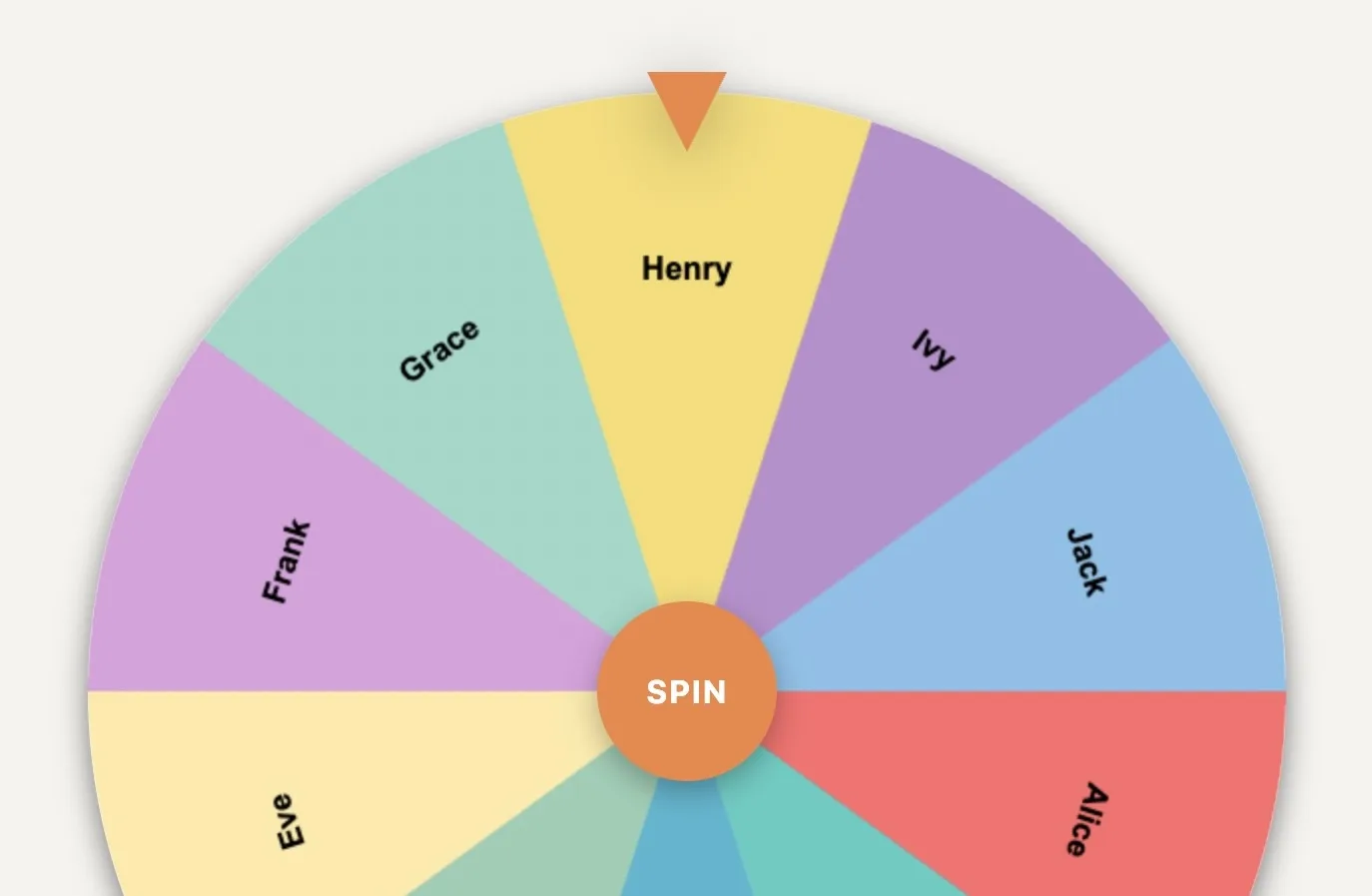
A simple comparison guide to choosing the right PickerKit tool for classroom picks, giveaways, team splitting, or binary decisions.
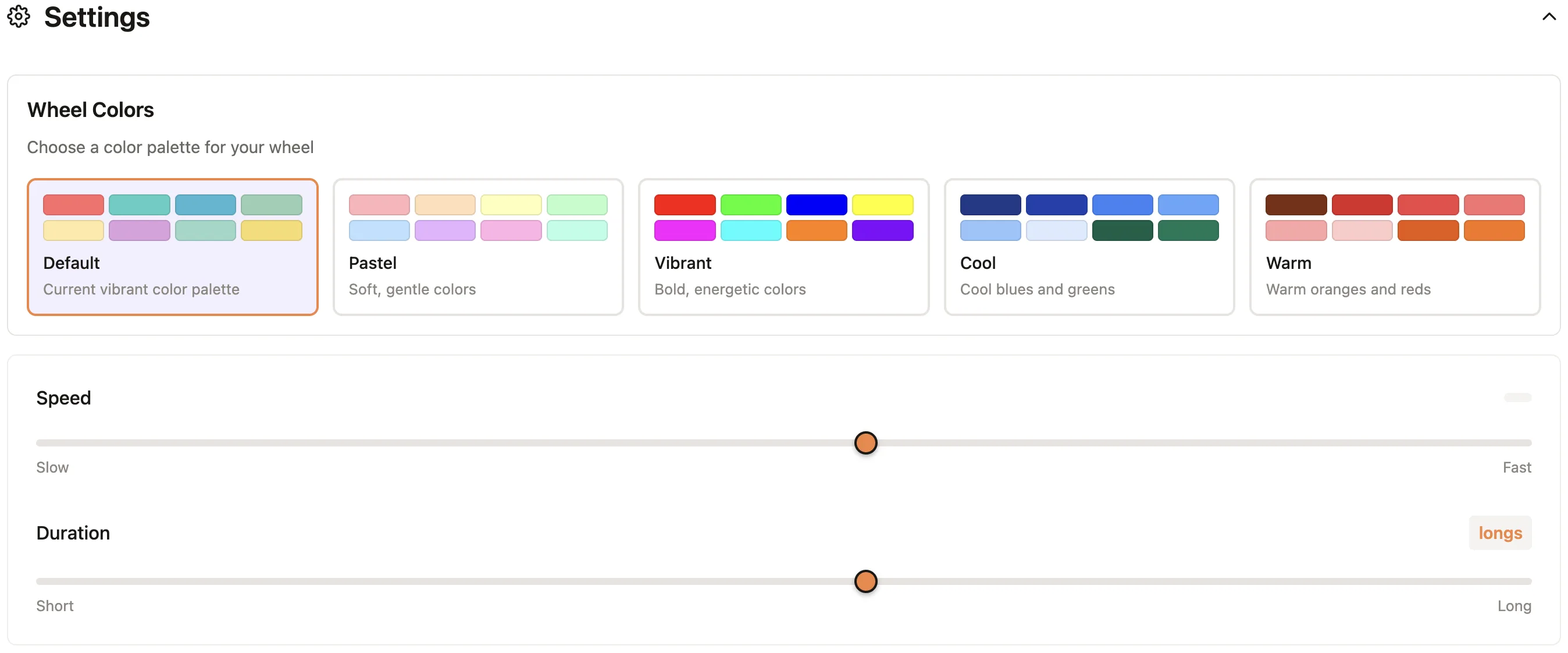
A plain-English explanation of PickerKit selection probability, browser randomness, and why repeated results do not prove bias.
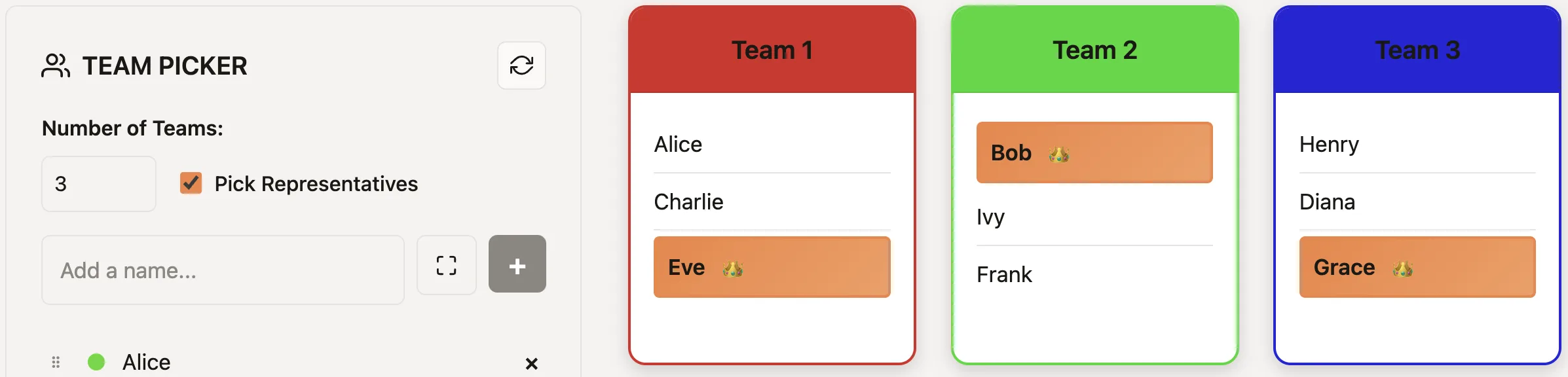
A buyer-style guide to matching the right random decision tool to the real job: student picks, giveaways, group splits, or quick yes/no calls.
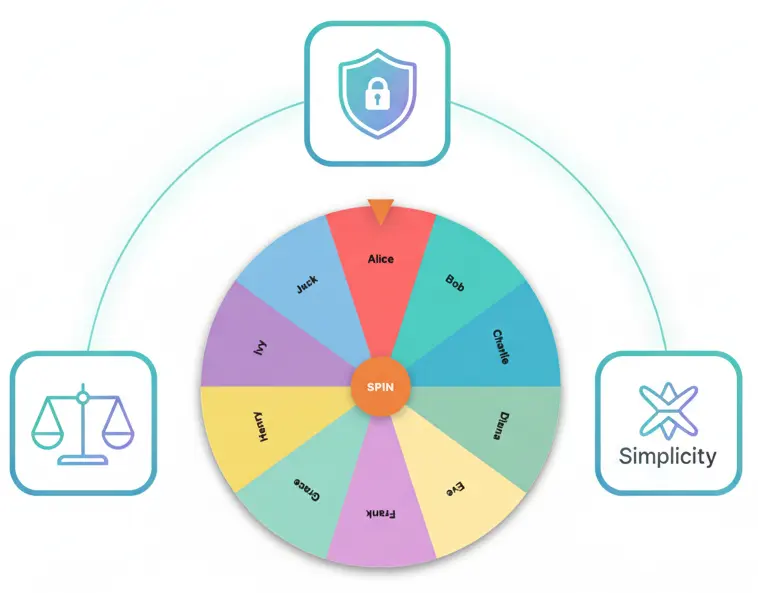
Understanding the principles that make PickerKit special: privacy-first architecture, universal accessibility, and ethical business models.
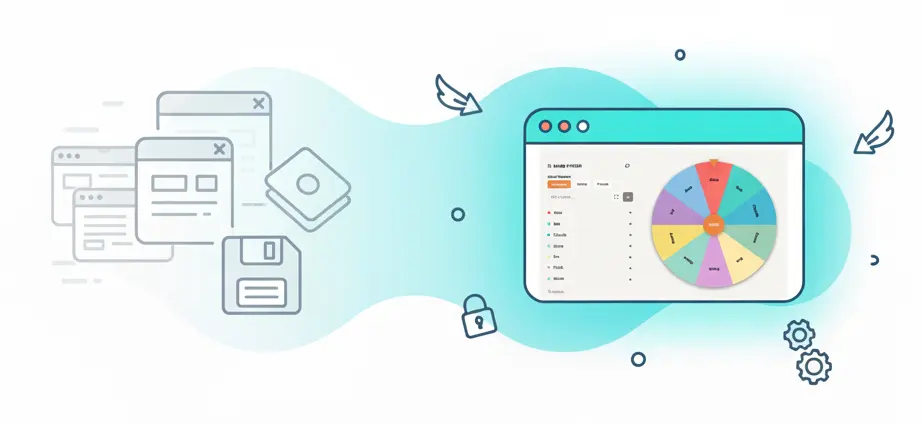
Explore the evolution of web-based utilities, the importance of accessible tools, and where decision-making technology is headed.
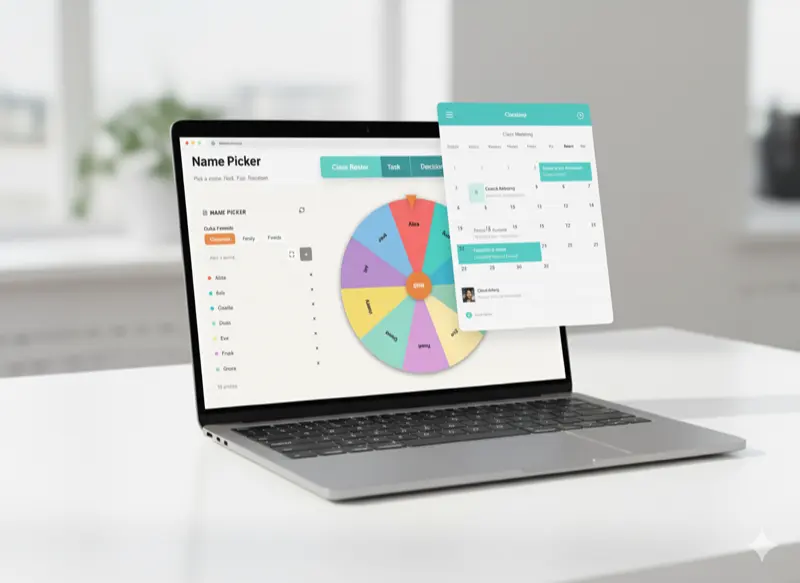
Discover productivity-boosting strategies for incorporating random selection tools into your regular workflows and daily routines.
Learn how PickerKit's random selection tools solve common data selection challenges in education, research, business, and daily life.